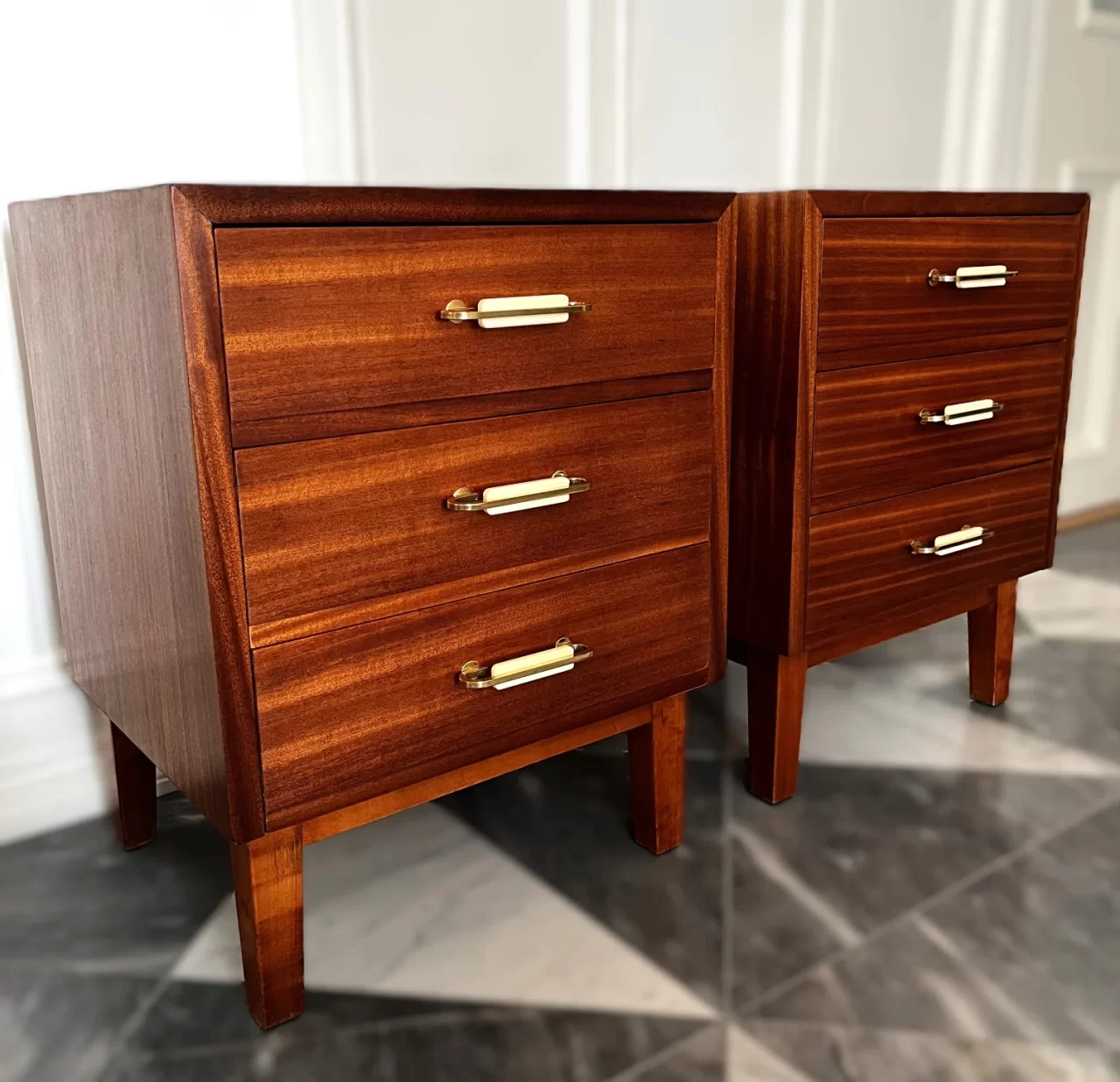
Scandinavian furniture design, known for its simplicity, functionality and timeless beauty, has left an indelible mark on the world of interior design. Emerging in the mid-20th century, the movement has continued to evolve while captivating audiences around the globe with its distinctive combination of understated aesthetics and practical design.
1. The Origins of Scandinavian Design
Scandinavian design has its roots in the Nordic countries and began to flourish from the 1930s onwards. Built around the principles of minimalism and functionality, it reflects the Nordic way of life and the region’s natural environment.
The aesthetic is characterized by clean lines, organic textures and a restrained color palette, creating a sense of comfort and a harmonious connection with nature. Scandinavian design gained international recognition following the traveling Design in Scandinavia exhibition, which toured the United States and Canada during the 1950s and helped introduce Nordic design to a global audience.
2. Pioneers of Scandinavian Furniture Design
The movement’s pioneers include designers such as Børge Mogensen, Arne Jacobsen, Hans Wegner, Arne Vodder and Verner Panton. Less widely known designers, including Fredrik A. Kayser, Arne Tidemand Ruud and Hans Brattrud, also played important roles in shaping the Scandinavian design tradition.
Their work, from Jacobsen’s iconic Egg Chair to Brattrud’s distinctive Scandia chair, demonstrates the functional elegance at the heart of Scandinavian design. These designers established new standards of quality and innovation and influenced generations of furniture designers around the world.

Hans Brattrud, Scandia Senior Easy Swivel Chair, 1959
3. The Evolution of Scandinavian Design
Scandinavian design has evolved over time while remaining firmly rooted in its fundamental principles. The use of sustainable materials and an increasing emphasis on environmentally responsible practices have become increasingly important, reflecting the Nordic region’s longstanding respect for nature.
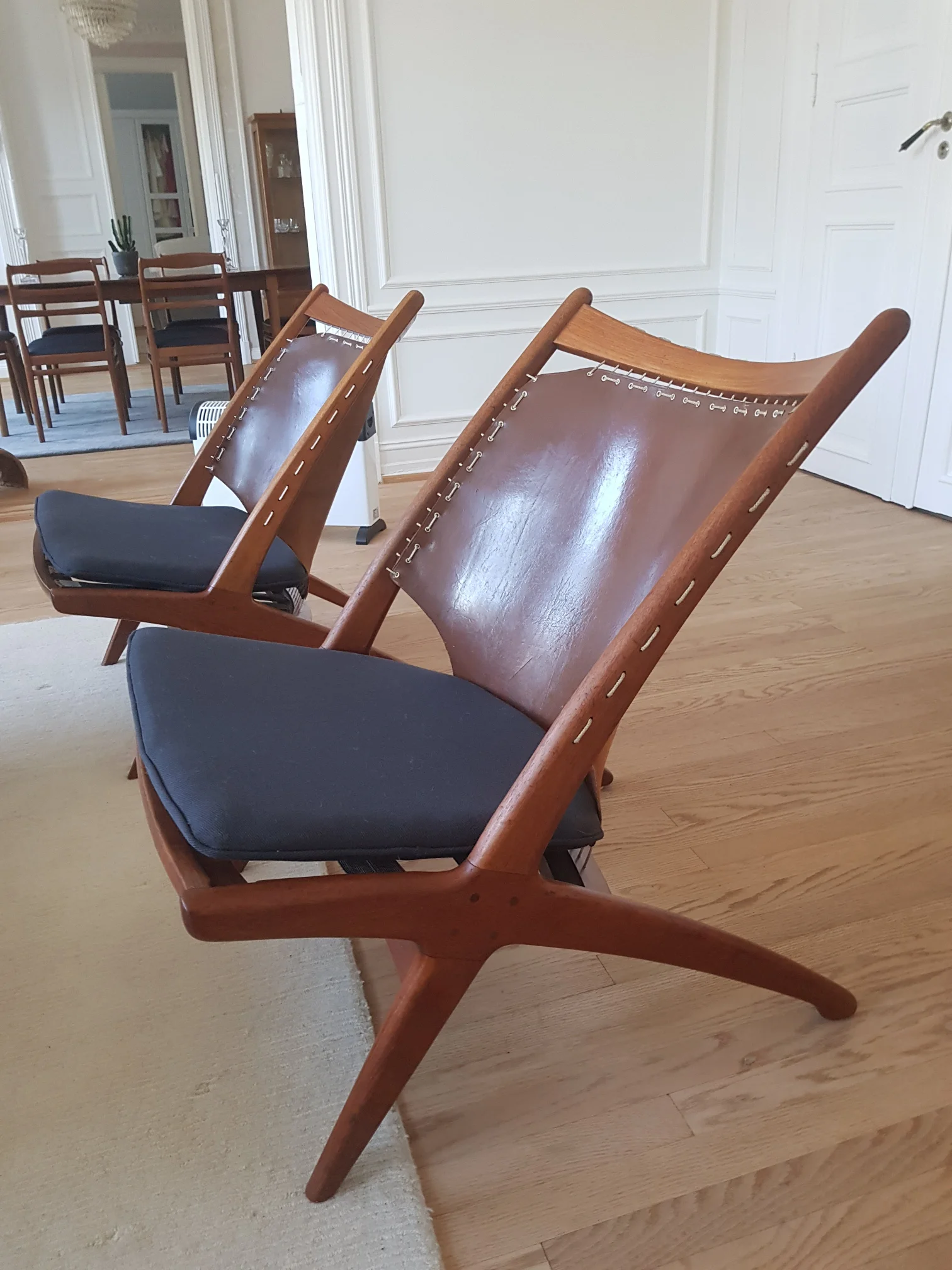
Fredrik A. Kayser, Krysset, 1955
4. Key Characteristics of Scandinavian Furniture Design
- Minimalism: The philosophy of “less is more” lies at the heart of Scandinavian design. Furniture is designed to be visually appealing without unnecessary ornamentation, emphasizing clean lines, balanced proportions and simple geometric forms.
- Functionality: Every element of Scandinavian furniture serves a purpose. Ease of use and comfort are central to the design philosophy, ensuring that beauty never comes at the expense of practicality.
- Natural Materials: Wood, particularly lighter varieties such as birch and oak, is widely used to bring warmth into the interior and create a connection with nature. Other natural materials, including wool, linen and leather, are also characteristic of the style.
- Light and Neutral Color Palettes: In response to the long, dark Nordic winters, Scandinavian interiors often favor light, neutral colors. These tones help create a sense of space, brightness and airiness.
- Craftsmanship: High-quality craftsmanship is a defining characteristic of Scandinavian furniture, with an emphasis on durability and timeless design. The result is furniture that is not only beautiful, but built to last.
5. The Influence of Scandinavian Design on Global Design
Scandinavian furniture design has had a profound influence on many areas of global design, from architecture to interior design. Its principles of simplicity, functionality and respect for materials have been embraced around the world, helping to shape the aesthetics of modern interiors.
6. The Future of Scandinavian Design
Looking ahead, Scandinavian design continues to evolve. It is adapting to changing lifestyles, contemporary needs and technological advances while remaining faithful to its roots.
Sustainability and environmentally responsible design are likely to become even more prominent as global awareness of environmental issues continues to grow. This ongoing evolution allows Scandinavian design to remain relevant without losing the qualities that have defined it for generations.
7. Bringing Scandinavian Design into Modern Interiors
Incorporating Scandinavian design into a contemporary interior can transform a space into a harmonious, functional and sophisticated environment. Whether through iconic furniture pieces, a minimalist color palette or the use of natural materials, Scandinavian design can create interiors that feel both contemporary and timeless.
Conclusion
Scandinavian furniture design is distinguished by its distinctive blend of elegance, functionality and simplicity. Its influence extends far beyond the Nordic countries, continuing to inspire designers and homeowners around the world.
As sustainable living and minimalist interiors continue to gain importance, the principles of Scandinavian design offer valuable insights into creating spaces that are both beautiful and practical.