Murano glass techniques are among the most distinctive traditions in the history of Venetian glassmaking. Developed and refined by generations of glassmakers on the island of Murano, these techniques allow artisans to create everything from intricate floral patterns and vibrant color combinations to delicate lace-like structures and remarkable metallic effects.
In this guide, we explore 18 of the most important Murano glassmaking techniques, including Millefiori, Murrine, Sommerso, Aventurine, Reticello, Pulegoso, Incalmo and Chalcedony. Understanding these techniques not only reveals how Murano glass is made, but also helps collectors identify and appreciate the craftsmanship behind authentic Venetian glass.
1. Millefiori: The Thousand Flowers Technique

Millefiori, meaning “a thousand flowers” in Italian, is one of the most recognizable and beloved Murano glassmaking techniques. This intricate process involves creating patterns and images from multicolored glass rods known as murrine.
The process begins by heating and stretching a bundle of glass rods until they fuse together. Once cooled, the resulting cane is sliced into thin cross-sections, revealing beautiful floral or geometric patterns. These slices are then incorporated into molten glass, creating richly detailed and vividly colored designs.
2. Aventurine: Glittering Glass
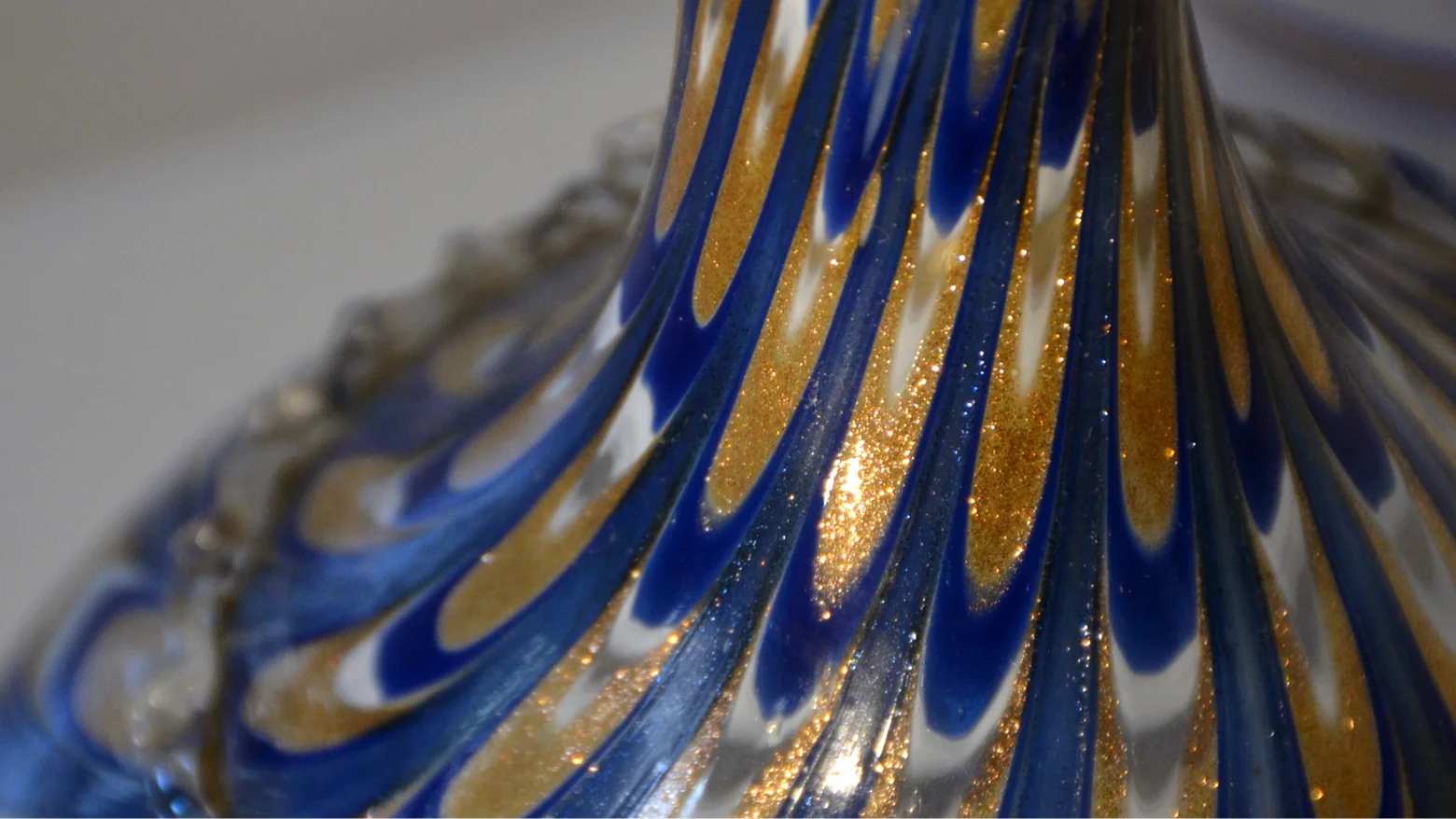
Aventurine is known for its distinctive sparkling appearance, achieved by incorporating tiny metal particles, typically copper, into the glass. The process is highly demanding and requires precise control of the furnace temperature to prevent the metal from oxidizing and losing its characteristic brilliance.
The result is a shimmering effect reminiscent of a star-filled sky or a precious gemstone. Aventurine is often used in jewelry and decorative objects, adding a sense of elegance and luxury.
3. Sommerso: Submerged Glass
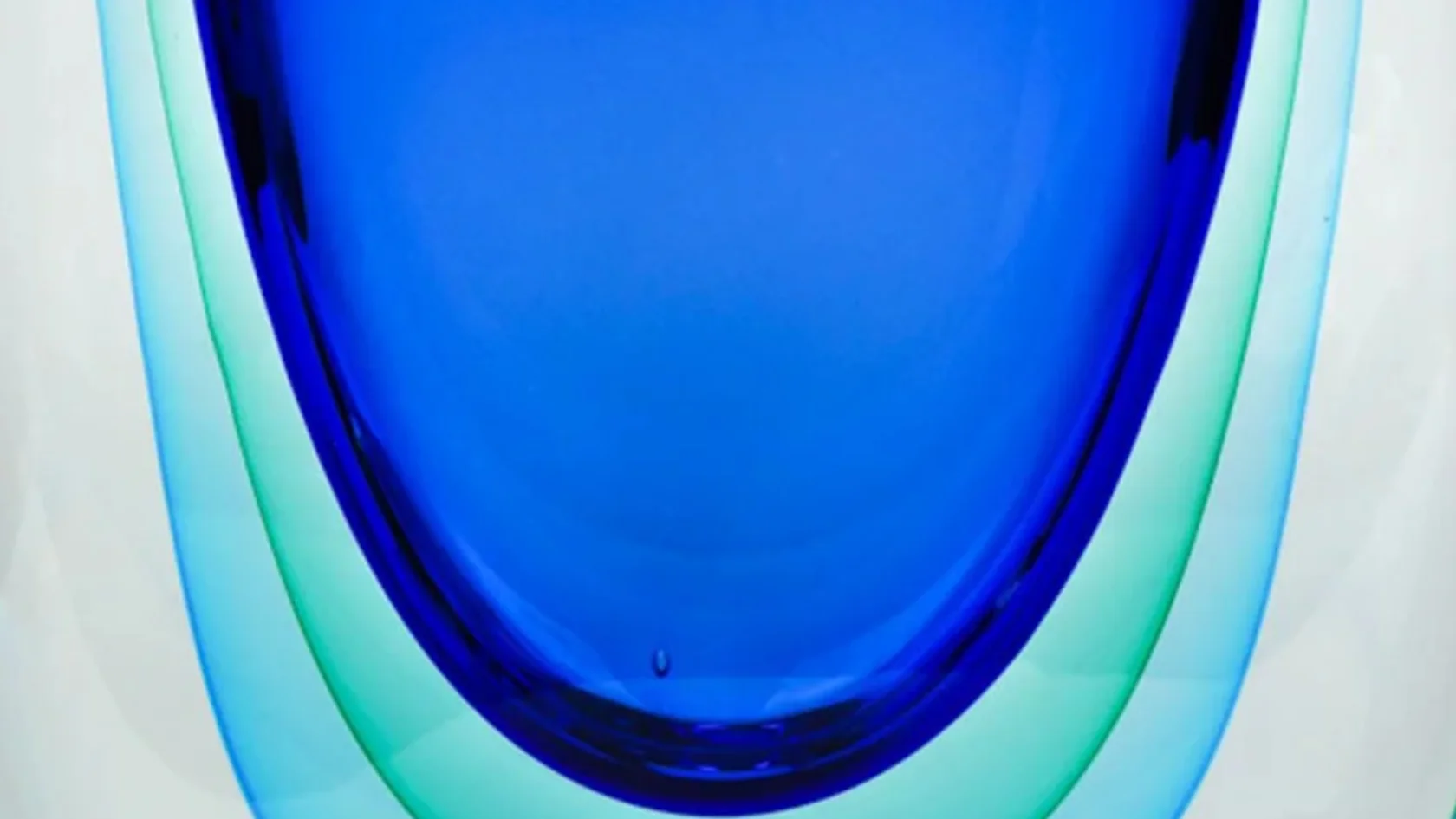
Sommerso, meaning “submerged” in Italian, creates beautiful layers of color within the glass. The effect is achieved by dipping a colored glass core into successive layers of clear or differently colored molten glass.
Each layer is carefully controlled to create smooth transitions between the colors, producing a striking sense of depth. The Sommerso technique is particularly popular in vases and sculptures, where the interplay of colors can be fully appreciated.
4. Chalcedony: Marble-Like Glass
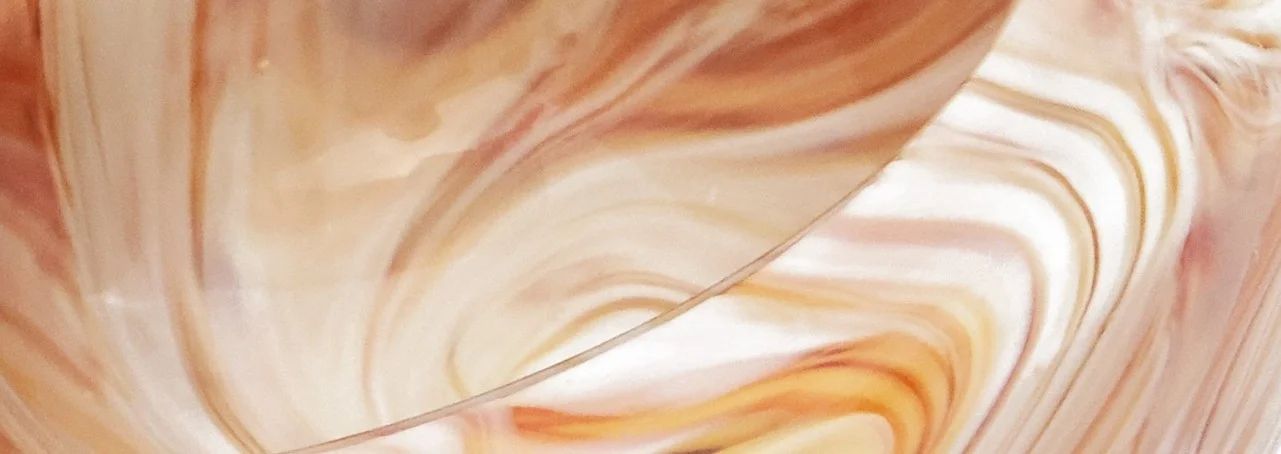
Chalcedony glass, named after the semiprecious stone, is characterized by its swirling, marble-like appearance. The technique dates back to the Renaissance and involves combining various metal oxides with molten glass to produce a rich, multicolored effect.
The precise composition of the metal oxides has traditionally been a closely guarded secret, passed down through generations of Murano glassmakers. The result is a unique form of glass that closely resembles the appearance of natural stone.
5. Fenicio: Traditional Feather Patterns

The Fenicio technique, also known as Feniciano or the feather pattern technique, is one of the oldest glassmaking methods and is believed to have been inspired by ancient Phoenician designs.
The technique involves applying layers of colored glass threads to the surface of molten glass, which are then “combed” into intricate patterns. The glass is subsequently blown and shaped, preserving the delicate decorative effect.
6. Bullicante: Bubbles Encased in Glass
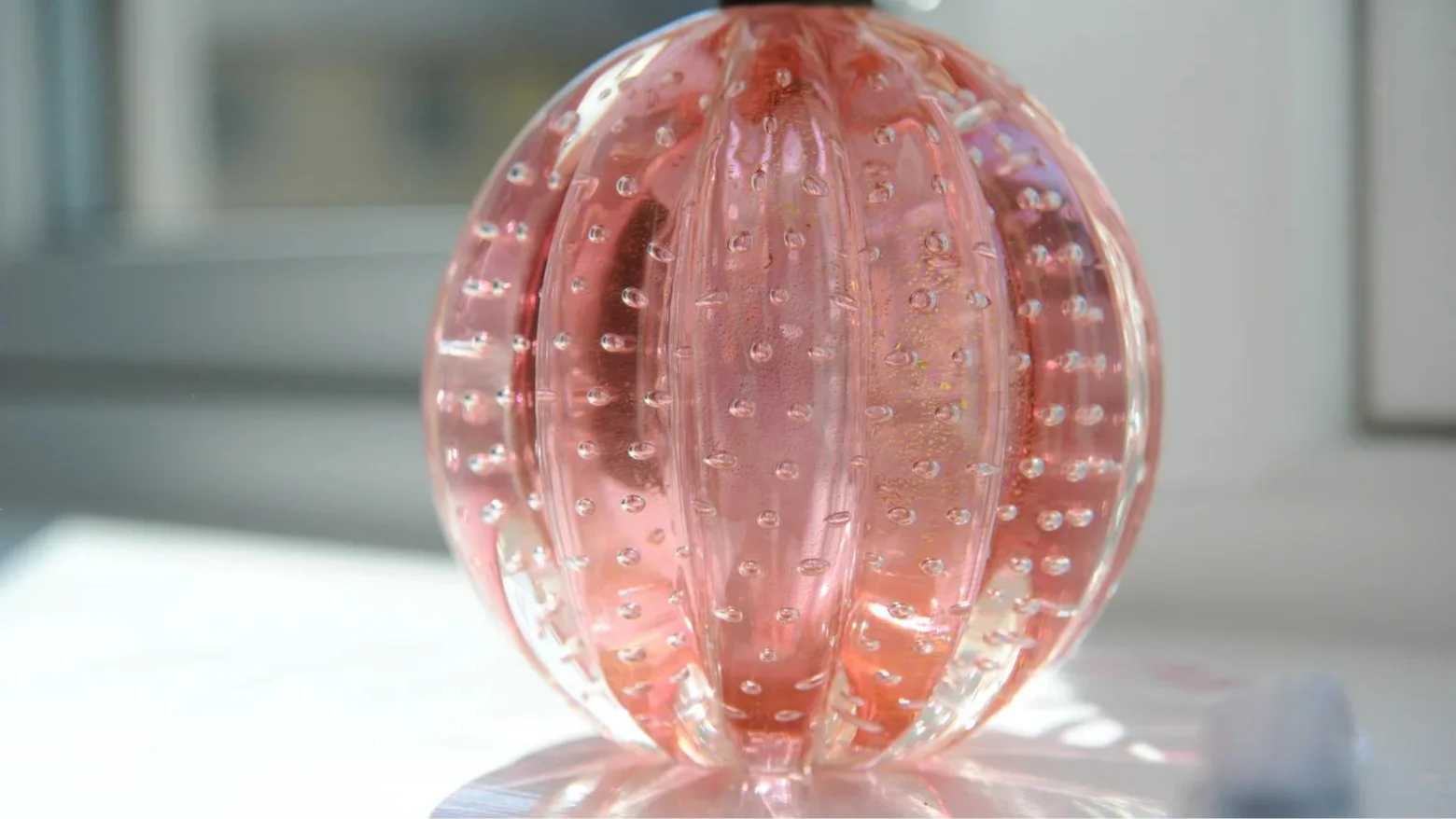
Bullicante is a technique used to create a controlled pattern of air bubbles within the glass. The effect is produced by making small indentations in the molten glass and then encasing them within another layer of glass.
As the piece is shaped, air becomes trapped inside the indentations, creating evenly distributed bubbles. Bullicante is frequently used in vases, bowls, and decorative objects, giving the glass a distinctive texture and visual character.
7. Cameo: Layered Engraving
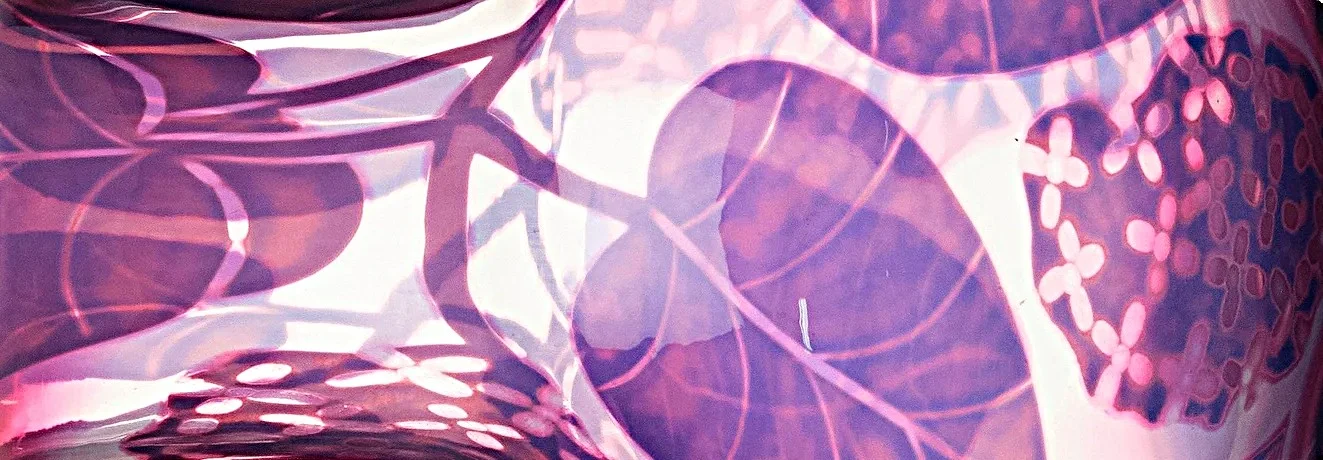
Cameo glass is an advanced technique in which layers of differently colored glass are fused together before sections of the outer layers are carefully cut or engraved away to reveal the colors beneath.
The process produces intricate, multi-dimensional designs, often depicting scenes, figures, or ornamental motifs.
8. Ice Glass: Crystalline Texture
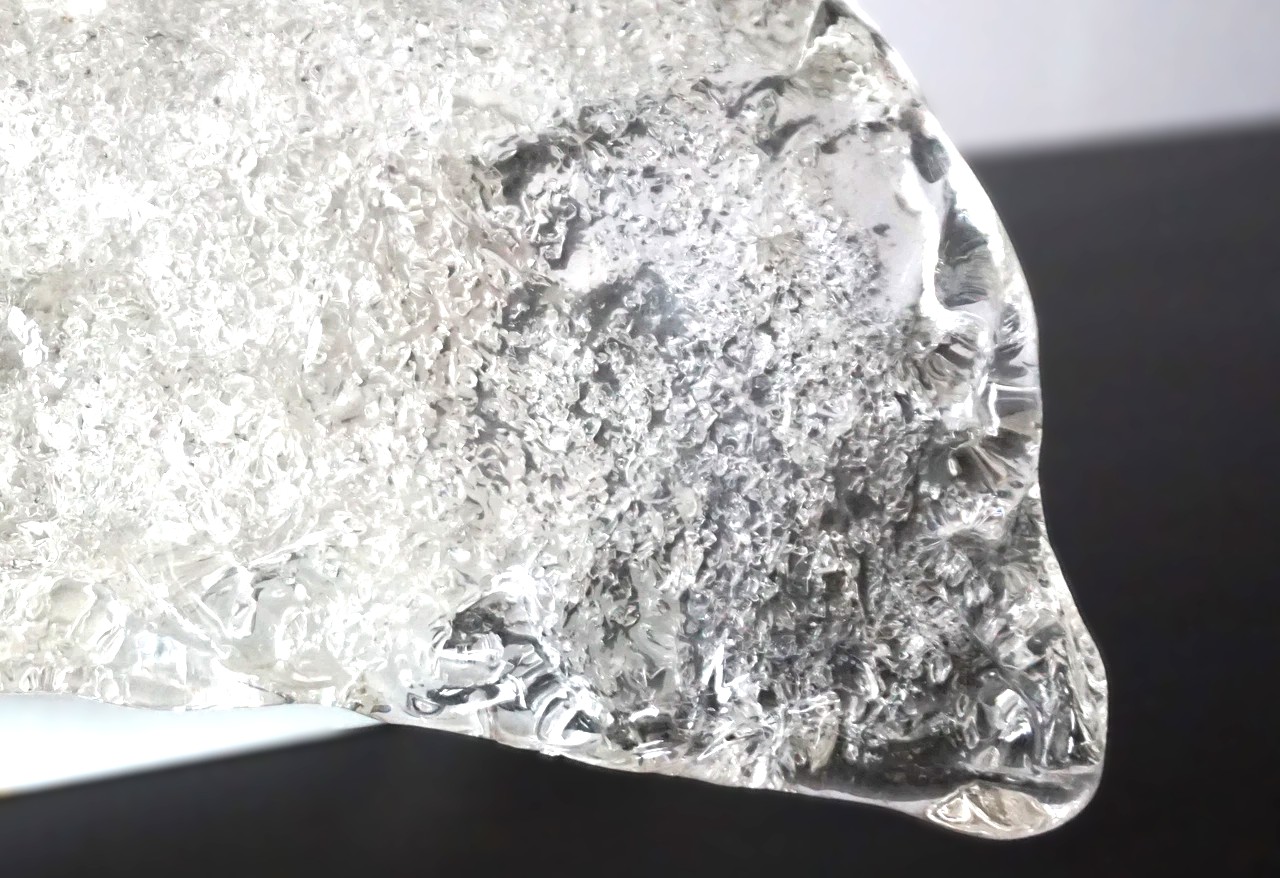
The Ice Glass technique creates a surface texture reminiscent of cracked ice. This is achieved through the rapid cooling of molten glass, causing the outer surface to crack while the interior remains intact.
The resulting crystalline texture gives decorative objects such as vases and bowls a distinctive, almost frozen appearance.
9. Incalmo: Seamless Color Transitions
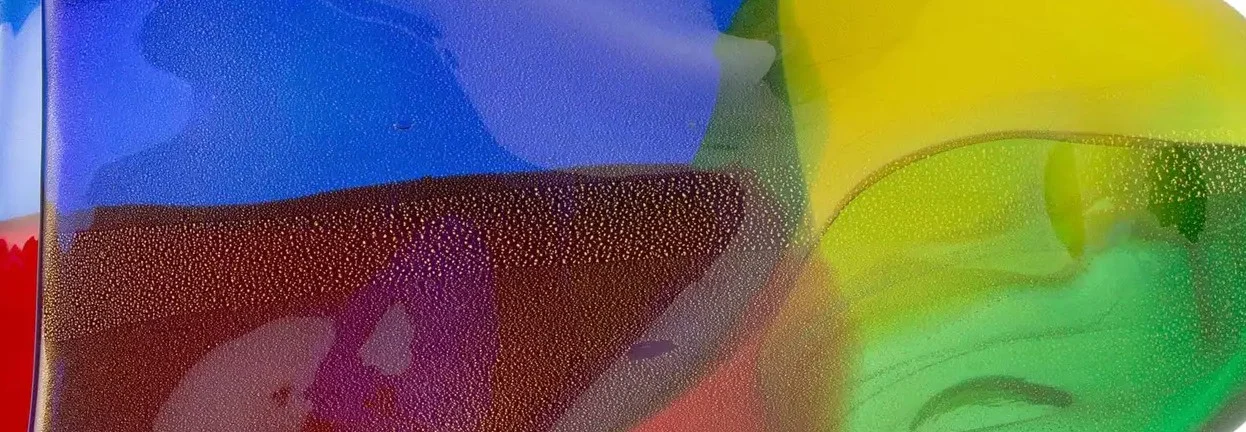
The Incalmo technique involves joining separate sections of colored glass to create seamless transitions between different colors.
The glassmaker must maintain extremely precise temperature control to ensure that the individual sections fuse correctly. When successfully executed, the technique produces clean, sharply defined bands of color within a single piece.
10. Lattimo: Opaque White Glass
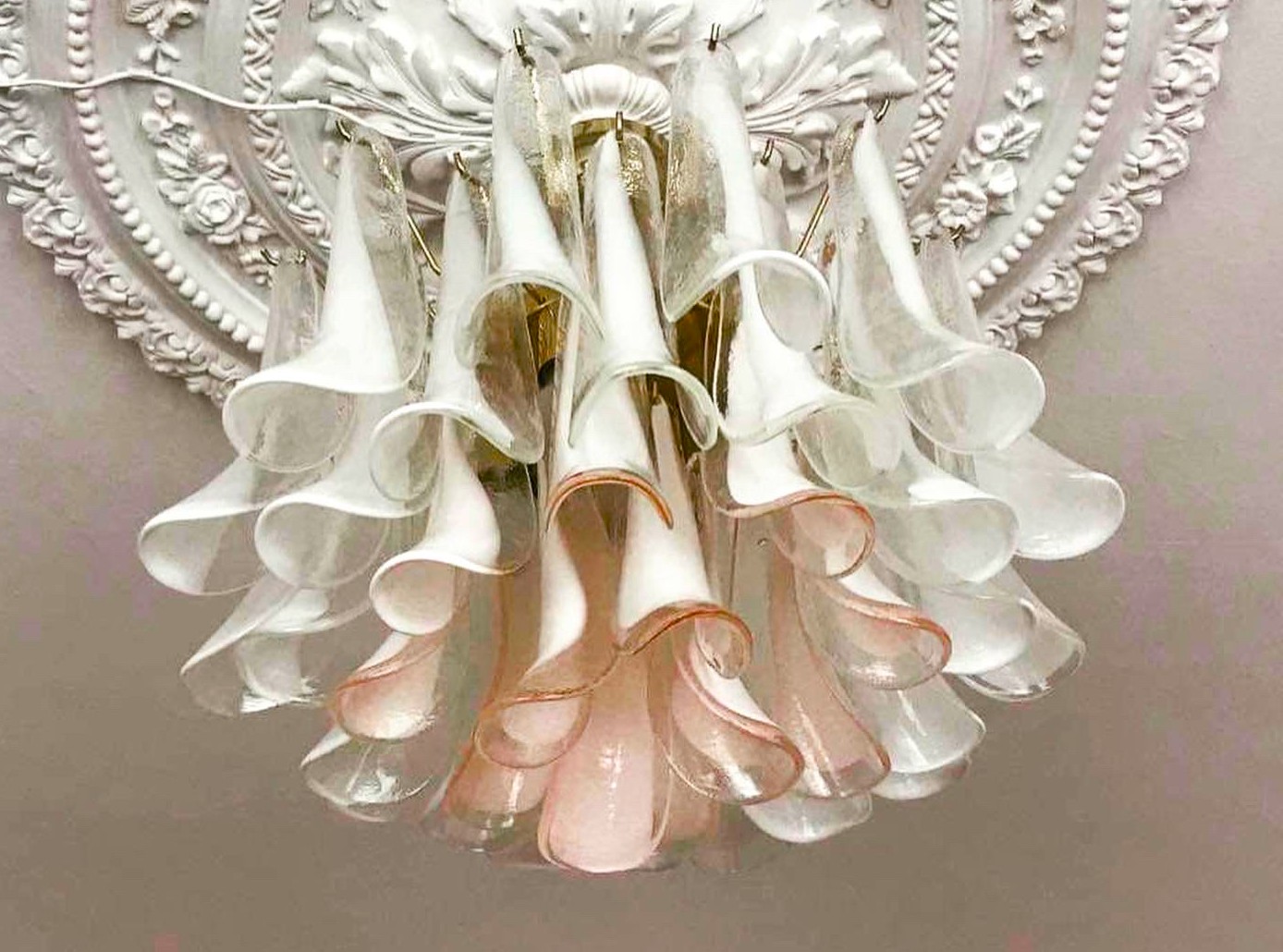
Lattimo produces an opaque, milky-white glass with an appearance reminiscent of porcelain. The effect is traditionally achieved by incorporating tin oxide into the glass mixture.
Lattimo glass is often combined with clear or colored glass to create decorative patterns and contrasting designs.
11. Murrine: Mosaic Glass
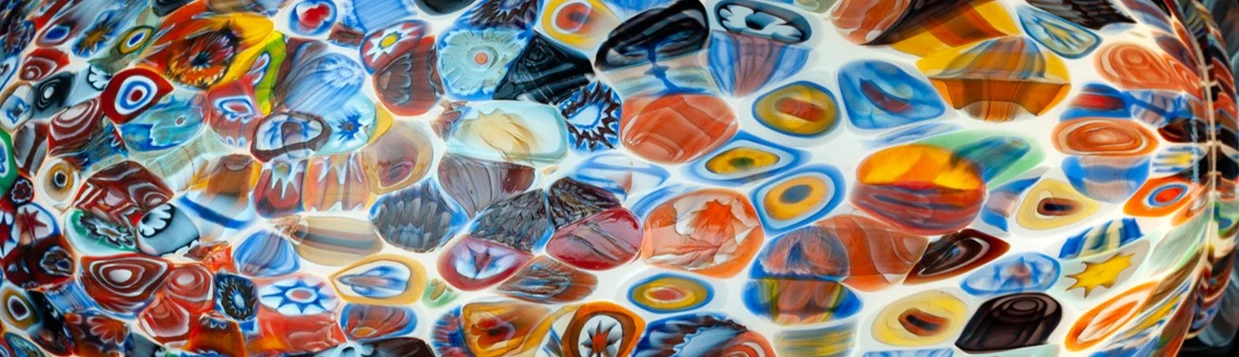
Murrine involves creating patterned glass canes that are sliced into thin sections and arranged to form mosaic-like designs.
The individual pieces can then be incorporated into molten glass, producing highly detailed and complex patterns. Murrine is also fundamental to the Millefiori technique.
12. Balotton: Textured Glass

The Balotton technique creates a distinctive diamond-shaped or raised surface texture by blowing glass into a patterned mold.
The resulting relief catches and reflects light, giving the finished piece an additional layer of visual interest.
13. Reticello: Net-Like Patterns
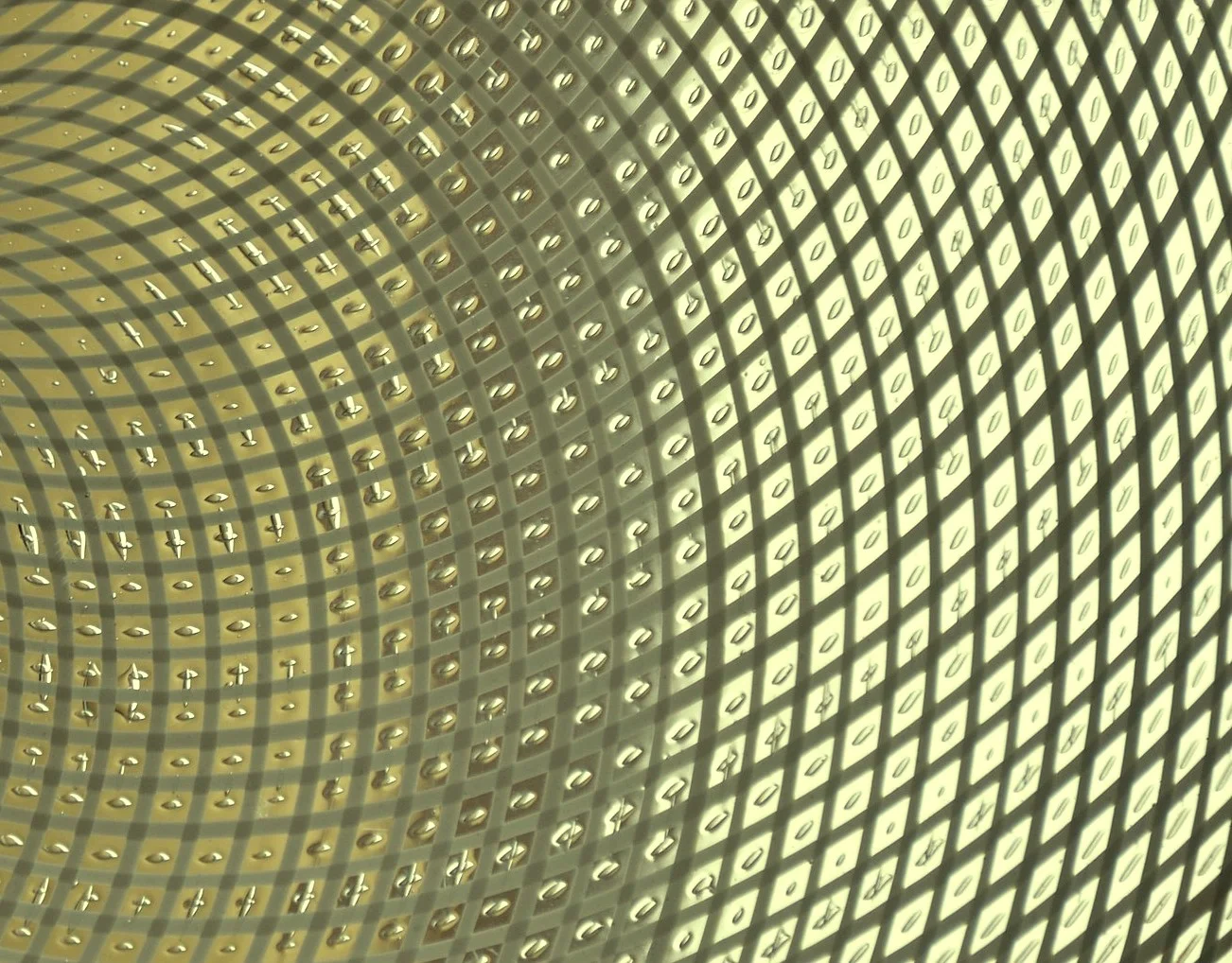
Reticello creates an intricate, lace- or net-like pattern by twisting fine glass threads and encasing them within clear glass.
The technique requires considerable precision and control, and is particularly admired for its delicate, almost textile-like appearance.
14. Tesserae: Glass Mosaic

The Tesserae technique uses small, typically square pieces of colored glass to create mosaic designs.
The individual pieces can be carefully arranged and incorporated into glasswork to form geometric or pictorial compositions.
15. Iridescence: A Rainbow-Like Effect
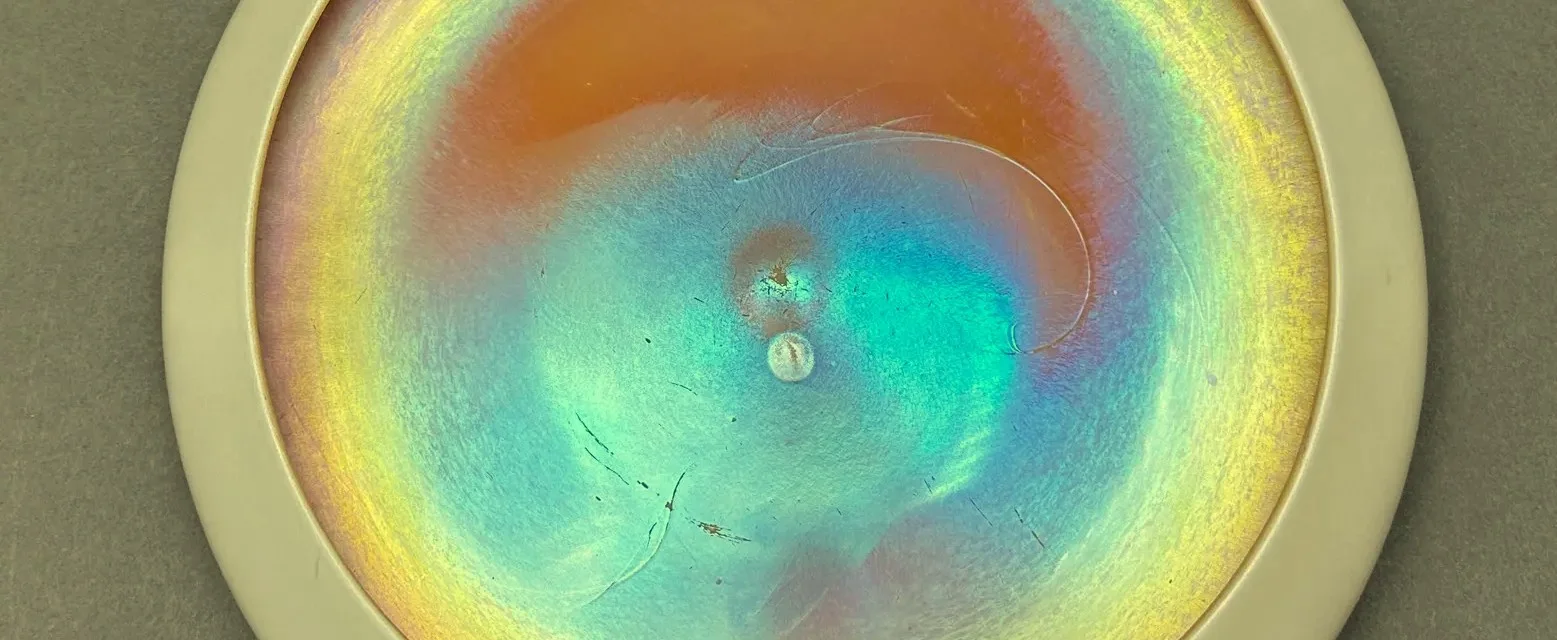
Iridescent glass has a luminous, rainbow-like surface that changes subtly as it catches the light. The effect is produced by applying a thin layer of metal oxide to the glass.
The resulting surface can display shifting shades of gold, blue, purple, and other colors depending on the angle of the light.
16. Pulegoso: Foamy Glass
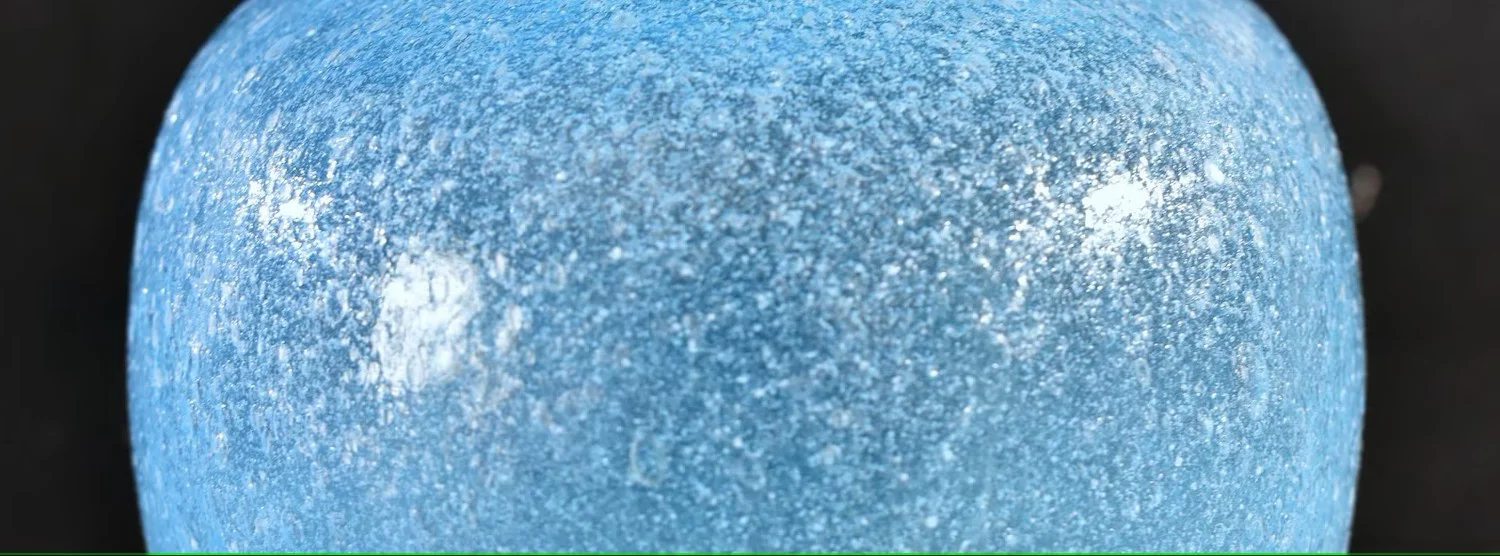
Pulegoso creates a distinctive, foamy texture filled with irregular bubbles. The effect is achieved by introducing materials that generate gas during the cooling process.
The result is a highly textured surface with a characteristic bubbly appearance.
17. Rigadin: Ribbed Glass
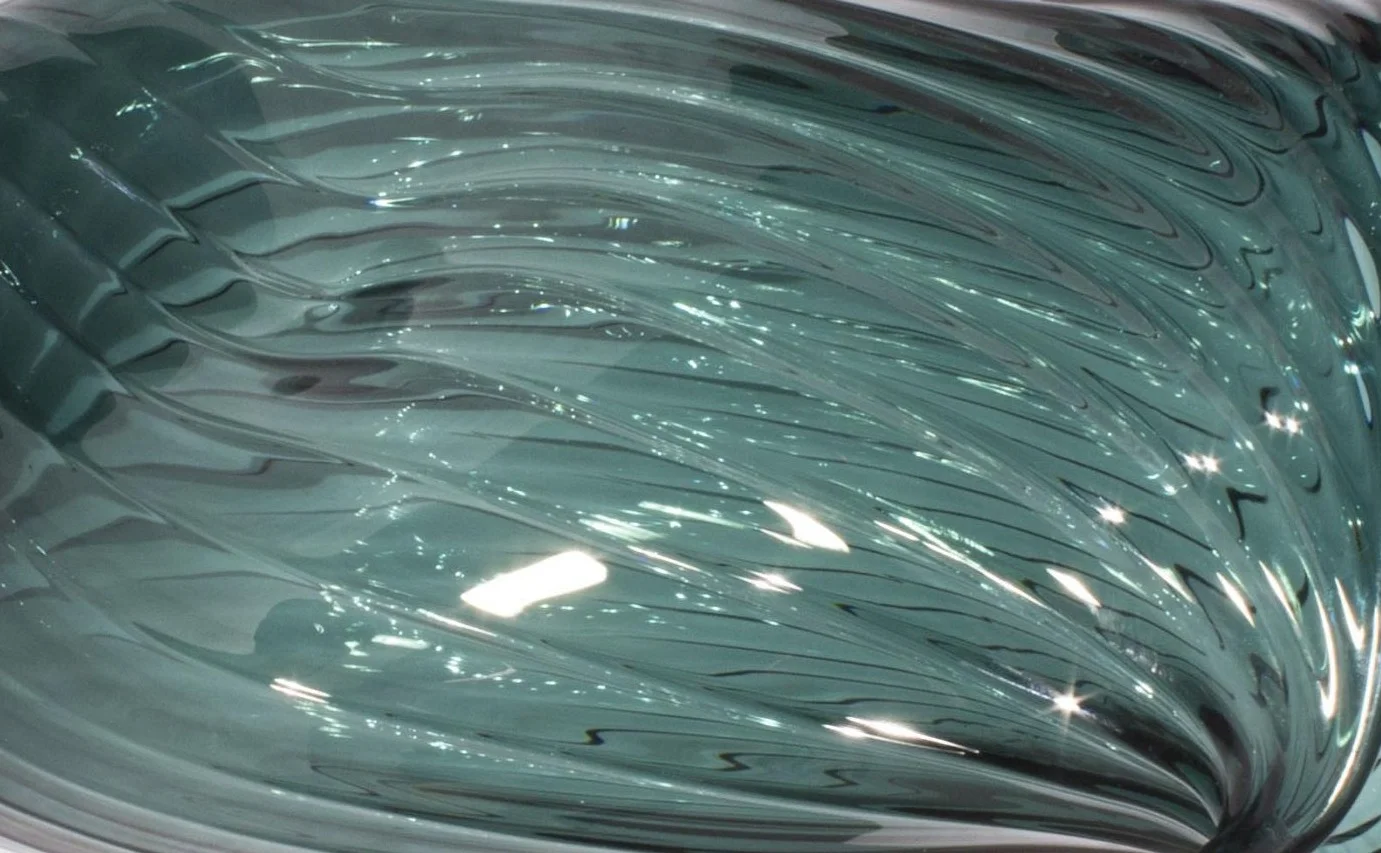
Rigadin is a technique used to create vertical ribs or fluted patterns on the surface of the glass.
These patterns can be produced using specially designed molds or through the skilled use of hand tools, creating a pronounced tactile and decorative effect.
18. The Use of Gold and Silver Leaf
Thin sheets of gold or silver can be applied to the surface or incorporated into the glass to create a luxurious metallic sheen.
Gold and silver leaf are often combined with other Murano techniques, adding contrast, brilliance, and a sense of opulence to the finished work.
These Murano glass techniques demonstrate the extraordinary skill, precision, and creativity of Venetian glassmakers. Developed and refined over generations, they have helped establish Murano as one of the world’s great centers of glassmaking and continue to inspire artists and collectors around the globe.